Hey there, if you’re reading this, chances are you’ve felt that nagging pull the one where a simple headache turns into a monthly prescription refill, or that “must-have” gadget ends up in a drawer while your credit card bill lingers. In 2026, with healthcare costs climbing and environmental warnings hitting closer to home, these aren’t just bad habits; they’re interconnected cycles dragging us down. I’m talking about pill dependency, debt spirals, and the endless churn of consumer waste. As someone who’s navigated these waters myself and helped others do the same through Apex Med Insights, I’ve seen how breaking them isn’t about willpower alone it’s about understanding the links and making smart, sustainable shifts.
In this post, we’ll dive into why these issues are spiking right now, backed by fresh insights from health trends and economic reports. We’ll explore real ways to spot them in your life, practical steps to escape, and how small changes create ripple effects for your health, wallet, and the planet. If you’re searching for ways to tackle drug dependence, escape financial debt cycles, or reduce your environmental footprint, stick around this could be the reset you need.
Why These Cycles Are Hitting Harder in 2026
Let’s start with the big picture. According to recent reports from organizations like the World Economic Forum and health trackers like KFF, 2026 is shaping up as a year where personal health struggles meet global pressures head-on. Think about it: Inflation’s easing but not gone, supply chain hiccups from trade tensions are jacking up costs, and climate events are messing with everything from food prices to mental well-being. It’s no wonder searches for “pill dependency recovery” and “breaking debt spirals” are surging people are feeling the squeeze.
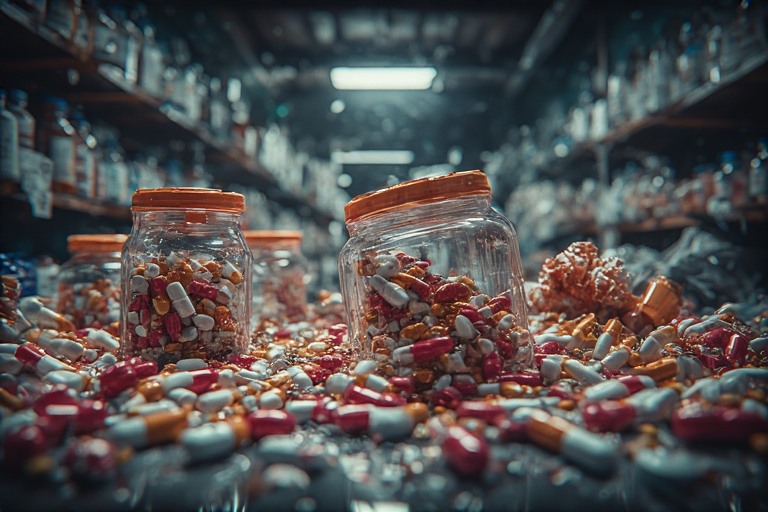
Pill dependency isn’t just about opioids or painkillers anymore. With GLP-1 drugs like Ozempic exploding in popularity for weight management and beyond, we’re seeing a new wave of reliance on meds for quick fixes. KFF data shows one in five adults using these, but the side effects? They’re piling up, from digestive woes to long-term health tolls. Tie that to stress from rising living costs, and you’ve got a perfect storm for substance use disorders.
Then there’s the debt trap. Household debt hit trillions last year, per global stats, and it’s not slowing. We’re bombarded with ads for “buy now, pay later” schemes that seem harmless but lock us into cycles of interest and impulse spending. In a world where affordability is the top concern for health consumers (as Gallup polls highlight), this debt feeds right back into stress, pushing more folks toward meds or unhealthy coping.
And don’t get me started on consumer waste. We’re churning out over 2 billion tons of trash yearly, much of it plastic from those “essential” buys. This isn’t abstract it’s polluting waterways, spiking methane emissions, and linking directly to health issues like antibiotic resistance from pharma waste. In 2026, with tariffs and protectionist policies rippling through economies (as Euromonitor notes), cheap goods are getting pricier, yet the waste keeps mounting. It’s a vicious loop: Buy more to feel better, waste more, harm the environment, rinse and repeat.
What ties them all? They’re symptoms of a bigger system where we treat surface problems without digging into roots. Inequality’s at the heart, as the Global Risks Report points out wealth gaps mean some folks have access to real solutions, while others spiral deeper.
Spotting the Signs: Are You Caught in These Traps?
Before we talk fixes, let’s get real about recognition. I’ve chatted with dozens of people through our consultations, and the patterns are clear. For pill dependency, watch for escalating doses, side effects becoming “normal,” or using meds to numb non-physical pain like anxiety from bills. Searches for “drug dependence symptoms” often lead here, but it’s the emotional hook that keeps it going.
Debt spirals show up as maxed cards, skipped payments, or that sinking feeling when bills arrive. If you’re juggling loans for health costs or “retail therapy,” it’s a red flag. And consumer waste? Check your bins overflowing with packaging from online hauls? That’s not just clutter; it’s a sign of overconsumption impacting your mental space and the planet’s health.
In my own story, I hit a wall a few years back. A high-stress job led to sleep aids, which led to more coffee gadgets (hello, debt), and a pile of discarded wrappers. It wasn’t until I mapped it out that I saw the connections. If this sounds familiar, you’re not alone behavioral health trends show substance use tied to economic stress, with recovery support becoming a must-have benefit in workplaces.
Breaking the Pill Dependency Cycle: Root Causes Over Quick Fixes
Okay, onto action. For pill dependency, the key is shifting to root cause medicine. Instead of masking symptoms, ask why they’re there. Stress from debt? Environmental toxins from waste? Start by tracking triggers journal for a week what sets off your need for meds.
Practical steps:
– Consult pros wisely: Work with doctors on tapering plans, incorporating counseling or harm reduction like naloxone access (big in 2026 trends).
– Lifestyle tweaks: Swap pills for natural aids walks in nature reduce stress without side effects, and they’re free.
– Build resilience: Mindfulness apps or community groups for addiction recovery can cut reliance by 30-50%, per studies.
Remember, this isn’t cold turkey; it’s sustainable change. Tools that calculate your “symptom tax” the hidden costs of dependency can be eye-openers, showing how ditching one med saves hundreds yearly.
Escaping Debt Spirals: Financial Freedom Through Mindful Choices
Debt feels overwhelming, but it’s breakable. First, audit your spends apps like those for budgeting highlight where consumerism sneaks in. In 2026, with consumer advocacy pushing for lower costs (think TrumpRx.gov for discounts), there are more options.
Strategies that work:
– Cut the impulse: Question buys – does this solve a root need or just distract? Opt for experiences over stuff.
– Debt snowball method: Pay smallest debts first for quick wins, freeing cash for health investments.
– Side hustles: Turn skills into income – wellness coaching if you’ve beaten dependency, for example.
Link it to waste: Less buying means less debt and less trash. One client I know slashed debt by 40% just by going zero-waste on groceries, avoiding packaged impulse items.
Tackling Consumer Waste: Sustainable Practices for Health and Planet
Waste overload is sneaky it clutters minds and ecosystems. In 2026, with eco-trends like food as medicine and longevity focus, reducing waste ties directly to better health.
How to start:
– Declutter smart: Marie Kondo your space, donating or recycling. Less stuff = less mental load.
– Zero-waste habits: Bulk buys, reusables cuts costs and pollution. Track your “waste footprint” to see impacts.
– Eco-friendly swaps: Ditch single-use plastics; opt for durable goods that don’t end up in landfills.
The ripple? Cleaner environment means fewer health issues from pollution, breaking the pill cycle. Reports like the Global Risks Report warn of overshoot resource strain from waste so personal action matters.
The Bigger Picture: Creating Positive Ripple Effects
Here’s the magic: These aren’t isolated fixes. Break pill dependency, and you’ve got more energy to manage finances. Cut debt, and stress drops, reducing waste urges. It’s a “Mike Effect” one change amplifying others over time.
Visualize it: In 10 years, your tweaks could mean thousands saved, better health, and a lighter planetary load. Tools like interactive calculators help map this – try ours at The Mike Effect Project https://apexmedinsights.com/mike-effect/ to see your personal ripples.
But it’s not solo work. Join communities forums on sustainable living or recovery support for accountability. In 2026, with AI wearables and wellness tech booming, tracking progress is easier than ever.
Wrapping Up: Your Path to Freedom Starts Now
Pill dependency, debt spirals, and consumer waste aren’t inevitable they’re cycles we can unravel with awareness and action. In a year where health trends emphasize prevention and affordability, prioritizing roots over symptoms is key. You’ve got the power to shift; start small, track wins, and watch the changes compound.
What’s your first step? Share in the comments maybe it’s auditing your meds or bins. If this sparked ideas, subscribe to our newsletter for more on breaking free in 2026. And hey, explore The Mike Effect for tools tailored to these challenges. Let’s build a healthier, more sustainable you – and world – together.