How Traditional Fertility Wisdom Anticipated Modern Reproductive Science
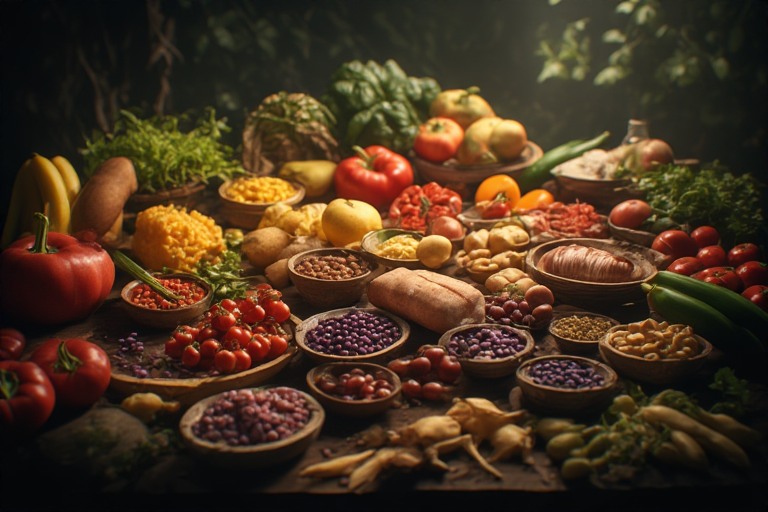
Dr. Weston A. Price’s documentation of traditional cultures reveals a consistent pattern: every society he studied designated specific “sacred” foods for preconception preparation, typically rich in fat-soluble vitamins, organ meats, pastured eggs, and marine-sourced nutrients. Modern nutritional biochemistry now validates these ancestral practices at the molecular level — liver provides preformed Vitamin A, folate, and B12; fish roe delivers omega-3 fatty acids, Vitamin D, and iodine; pastured eggs supply choline and cholesterol essential for steroidogenesis. The 90-day preconception protocol mirrors traditional 3-6 month preparation periods mandated by indigenous cultures. Circadian rhythm optimization aligns with ancestral light-dark cycles that govern melatonin-mediated reproductive hormone secretion. This article examines the convergence between ancient fertility wisdom and contemporary reproductive endocrinology, demonstrating that traditional practices were not ritual but rational.
Key Clinical Takeaways
- Traditional cultures mandated 3-6 month preconception preparation periods — the modern 90-day protocol mirrors ancestral timelines established long before the spermatogenic cycle was characterized, suggesting empirical observation of the 72-90 day sperm development window
- Sacred fertility foods supply precisely the nutrients modern science identifies as critical for conception — organ meats deliver folate and B12; fish roe provides omega-3 DHA, Vitamin D, and iodine; pastured eggs supply choline for methylation and cholesterol for steroidogenesis; oysters provide zinc and selenium for spermatogenesis
- Traditional herbs demonstrate measurable pharmacological activity on reproductive parameters — Vitex agnus-castus modulates dopaminergic activity to support progesterone; Maca improves sperm concentration and motility; Tongkat Ali enhances testosterone and sperm quality through documented mechanisms
- Circadian rhythm optimization reflects ancestral light-dark exposure patterns — morning sunlight supports circadian entrainment; complete darkness during sleep optimizes melatonin, which directly modulates GnRH pulsatility and reproductive hormone secretion
- Ancestral belly warming practices may enhance uterine blood flow — modern thermoregulatory research demonstrates that regional heat application increases pelvic circulation, potentially supporting endometrial receptivity through improved nutrient and oxygen delivery
The Weston A. Price Foundation: An Empirical Dataset
In the 1930s, Cleveland dentist Dr. Weston A. Price traveled the world documenting the health of isolated traditional populations who had not yet been exposed to modern processed foods. His findings, published in Nutrition and Physical Degeneration (1939), constitute one of the most extensive observational datasets on pre-modern nutritional practices and their relationship to reproductive outcomes.
Price documented a striking consistency across geographically and culturally diverse populations: every traditional society he studied designated specific foods as essential for preconception preparation. These foods were not merely nutritious — they were considered sacred, reserved specifically for couples preparing to conceive, and often supplied through community-level allocation systems that ensured access regardless of individual wealth.

The consistency is remarkable. Isolated Swiss villages, Gaelic fishing communities, African pastoral tribes, Polynesian islanders, and indigenous North American populations — cultures with no possibility of cross-communication — independently converged on remarkably similar fertility food protocols. The implication is that these practices were not cultural artifacts but biological adaptations: each culture, through generations of empirical observation, identified the nutritional inputs that optimized reproductive outcomes.
The Sacred Food Categories
Analysis of Price’s dietary records reveals that traditional fertility foods cluster into several consistent categories:
Organ Meats (Particularly Liver)
Every culture Price studied prized liver and other organ meats above muscle meat for preconception nutrition. The Masai reserved liver for warriors and couples preparing for conception. Scottish fishing communities consumed cod liver oil as a preconception staple. Arctic populations consumed seal and whale liver as sacred foods.
Modern nutritional analysis reveals why liver occupies this position:
- Preformed Vitamin A (retinol): Essential for embryonic development, immune function, and epithelial integrity; retinol is the bioactive form that does not require conversion, unlike beta-carotene from plant sources. Vitamin A deficiency in pregnancy is associated with birth defects and impaired immune development.
- Folate: Liver is among the richest dietary sources of folate, providing the methyl donor essential for DNA synthesis, neural tube closure, and homocysteine metabolism. The correspondence with the MTHFR mutation data is significant: women with impaired folate metabolism may have particularly benefited from the concentrated folate content of organ meats.
- B12 (cobalamin): Liver provides B12 in its most bioavailable form. B12 deficiency below 300 pg/mL increases miscarriage risk, and the methylated form (methylcobalamin) bypasses MTHFR-related conversion difficulties.
- Iron (heme form): Heme iron from organ meats is absorbed 2-3x more efficiently than non-heme iron from plant sources, directly supporting the ferritin levels critical for ovulatory function.
- Copper and zinc: Organ meats provide these trace minerals in biologically appropriate ratios, supporting enzymatic processes essential for spermatogenesis and oocyte maturation.
Pastured Eggs
Traditional cultures particularly valued eggs from birds allowed to forage on insects and greens — a practice that produces eggs with dramatically different nutrient profiles compared to conventionally raised eggs.
Pastured eggs provide:
- Choline: Essential for methylation, neurotransmitter synthesis, and fetal brain development. Choline deficiency during pregnancy is associated with neural tube defects and impaired cognitive development. The yolk of a pastured egg contains approximately 125 mg of choline.
- Cholesterol: The precursor for all steroid hormones, including progesterone, testosterone, and estrogen. Cholesterol from dietary sources provides the substrate for steroidogenesis that the body would otherwise need to synthesize de novo. The vilification of dietary cholesterol in the latter half of the 20th century coincided with the decline in fertility parameters — a correlation that, while not establishing causation, warrants examination.
- Lutein and zeaxanthin: Carotenoids concentrated in pastured egg yolks that support retinal and neural development.
- Vitamin D2/D3: Pastured eggs contain measurable Vitamin D, particularly from hens exposed to sunlight.
Fish Roe and Fatty Fish
Coastal and island populations consistently designated fish roe (eggs) and fatty fish as sacred fertility foods. The Heiltsuk and other Pacific Northwest nations harvested salmon roe specifically for preconception preparation. Gaelic communities consumed cod liver oil and herring roe.
Modern analysis confirms the biochemical rationale:
- Omega-3 DHA: Docosahexaenoic acid constitutes approximately 40% of the polyunsaturated fatty acids in the brain and is essential for fetal neurodevelopment. DHA is preferentially concentrated in ovarian follicles and incorporated into oocyte membranes, influencing membrane fluidity and receptivity to fertilization. Fish roe contains DHA at concentrations 3-5x higher than fish muscle.
- Vitamin D3: Fatty fish and roe are among the few significant dietary sources of Vitamin D3. Given the 40% reduction in conception probability at levels below 30 ng/mL, the inclusion of marine-sourced Vitamin D in traditional preconception protocols demonstrates empirical understanding of this relationship.
- Iodine: Marine foods are the richest dietary source of iodine, essential for thyroid hormone synthesis. The connection between iodine sufficiency and reproductive function — now established through the thyroid-fertility axis — was apparently observed and addressed through dietary practice centuries before the biochemical mechanism was characterized.
- Selenium: Marine-sourced selenium supports thyroid hormone conversion (T4 to T3) and functions as an antioxidant in both the ovarian and testicular microenvironments.
Grass-Fed Dairy
Pastoral cultures that consumed dairy — the Masai, the Swiss Loetschental valley villagers, and others — insisted on grass-fed sources. The nutrient profile of grass-fed dairy differs substantially from grain-fed:
- Vitamin K2 (menaquinone): Grass-fed dairy provides Vitamin K2, which activates osteocalcin and matrix GLA protein, directing calcium to bones rather than soft tissue. K2 works synergistically with Vitamins A and D — the fat-soluble vitamin triad that Price identified as characteristic of all sacred food diets.
- Conjugated linoleic acid (CLA): Grass-fed dairy contains 3-5x more CLA than grain-fed, a fatty acid with anti-inflammatory and insulin-sensitizing properties relevant to PCOS management.
- Short-chain fatty acids: Butyrate and other SCFAs from grass-fed butter support gut barrier integrity and immune regulation at the intestinal and endometrial levels.
Shellfish (Particularly Oysters)
Coastal populations consistently consumed shellfish as fertility-supporting foods.
- Zinc: Oysters contain more zinc per serving than any other food. Zinc is essential for spermatogenesis, testosterone synthesis, oocyte maturation, and immune function. Zinc deficiency impairs both male and female fertility through multiple mechanisms.
- Selenium: Shellfish provide selenium in highly bioavailable forms, supporting thyroid function, antioxidant defense (glutathione peroxidase), and sperm membrane integrity.
- Copper and iodine: Additional trace minerals present in bioavailable concentrations.
Traditional Fertility Herbs: Pharmacological Validation
Traditional medical systems — Ayurvedic, Traditional Chinese Medicine, European herbalism, Amazonian ethnobotany — independently identified plants that modulate reproductive function. Modern pharmacological research is now characterizing the mechanisms through which these herbs exert their effects.
Vitex agnus-castus (Chasteberry)
Vitex has been used for millennia in European and Mediterranean herbalism for female reproductive complaints. Its mechanism of action is now partially characterized:
- Dopaminergic activity: Vitex contains dopaminergic compounds that bind D2 receptors in the anterior pituitary, selectively inhibiting prolactin secretion. Elevated prolactin — even within the “normal” range — can suppress gonadotropin release and impair luteal function.
- Progesterone support: By inhibiting excessive prolactin and supporting the luteal phase, Vitex indirectly promotes progesterone production. Clinical trials demonstrate improved progesterone levels and luteal phase length in women taking Vitex.
- Cycle regulation: Evidence supports the use of Vitex for menstrual irregularities, particularly those associated with luteal phase deficiency or hyperprolactinemia.
Lepidium meyenii (Maca)
Maca, cultivated in the Andes at altitudes above 4,000 meters, has been used for centuries as a fertility-enhancing food. Research demonstrates:
- Sperm parameters: Multiple clinical trials show that Maca supplementation improves sperm concentration, motility, and morphology in healthy and subfertile men.
- Libido: Maca enhances sexual desire in both men and women through mechanisms that appear independent of testosterone modulation.
- Adaptogenic properties: Maca modulates the stress response, potentially reducing cortisol-mediated reproductive suppression through its effects on HPA axis regulation.
Rubus idaeus (Red Raspberry Leaf)
Red raspberry leaf has been used traditionally as a uterine tonic throughout pregnancy preparation and gestation:
- Uterine muscle effects: The fragarine compound in raspberry leaf tones uterine smooth muscle, potentially improving implantation conditions and reducing the risk of hemorrhage during delivery.
- Nutrient density: Raspberry leaf provides iron, magnesium, potassium, and B-vitamins that support the metabolic demands of pregnancy.
- Clinical evidence: While limited, observational data suggest that raspberry leaf consumption in the third trimester may reduce labor duration and complications.
Eurycoma longifolia (Tongkat Ali) and Tribulus terrestris
These traditionally male-focused herbs are used in Southeast Asian and Ayurvedic medicine respectively for virility and fertility:
- Tongkat Ali: Clinical evidence demonstrates significant increases in testosterone concentration, improved sperm motility, and enhanced sperm concentration in subfertile men. The mechanism involves stimulation of Leydig cell steroidogenesis and reduction of sex hormone-binding globulin (SHBG), increasing free testosterone bioavailability.
- Tribulus terrestris: Protodioscin, the active compound, may enhance luteinizing hormone signaling, supporting testosterone production and spermatogenesis. Evidence is mixed but suggestive of benefit in selected populations.
The 90-Day Preconception Protocol: Ancient Timeline, Modern Rationale
Perhaps the most striking convergence between ancient and modern fertility practice is the preconception preparation timeline.
Traditional cultures mandated preparation periods of 3-6 months before conception. The Loetschental valley Swiss required special dietary preparation for at least 6 months. The Masai reserved sacred foods for seasonal periods before planned conceptions. Polynesian cultures observed preconception dietary restrictions and enhancements lasting several lunar cycles.
The modern 90-day preconception protocol is based on the biological timeline of gamete development:
- Spermatogenesis: The complete cycle from spermatogonial stem cell to mature spermatozoa requires approximately 72-90 days. Interventions targeting sperm quality (antioxidant therapy, toxin reduction, varicocele repair) must be sustained through at least one full spermatogenic cycle to manifest in the ejaculate.
- Ovarian folliculogenesis: The dominant follicle that will ovulate begins its development approximately 90-120 days before ovulation. The primordial follicle is recruited and progresses through primary, secondary, and pre-antral stages over several menstrual cycles before reaching the antral stage where it can respond to FSH.
- Nutrient repletion: Restoring depleted nutrient stores — particularly fat-soluble vitamins, iron, and B12 — requires weeks to months of consistent supplementation and dietary modification.
- Thyroid optimization: Achieving and stabilizing TSH in the optimal range for fertility (1.0-2.0 mIU/L) typically requires 6-12 weeks of medication adjustment and monitoring.
- Infection resolution and immune recalibration: Clearing chronic infections and normalizing immune parameters requires time that aligns with the 90-day preparation window.
The correspondence between ancestral preparation timelines and modern biological timelines is unlikely to be coincidental. Traditional cultures observed — over generations of trial and empirical observation — that conception outcomes improved when preparation was sustained for approximately 3 months. They could not have known the spermatogenic cycle duration or the folliculogenesis timeline, but they observed the practical outcome: preparation of this duration produced better results than shorter periods or no preparation.
This is the essence of the ancient-modern convergence: the same biology that drives reproductive outcomes today drove reproductive outcomes centuries ago, and the practices that optimized those outcomes were preserved through cultural tradition.
Circadian Rhythm Optimization: Returning to Ancestral Light Cycles
The circadian system governs virtually every aspect of reproductive physiology, and it is profoundly sensitive to light exposure patterns that have been radically altered in modern environments.
The Melatonin-Reproduction Connection
Melatonin, produced by the pineal gland during darkness, is not merely a sleep hormone — it is a reproductive modulator of considerable significance:
- GnRH pulsatility: Melatonin influences the pulsatile release of gonadotropin-releasing hormone from the hypothalamus, the master signal that governs the entire reproductive axis.
- Oocyte protection: Melatonin is a potent antioxidant concentrated in ovarian follicular fluid, where it protects the oocyte from oxidative damage. Studies demonstrate that melatonin supplementation improves oocyte quality and IVF outcomes in women with diminished ovarian reserve.
- Progesterone modulation: Melatonin receptors are present in the corpus luteum and the endometrium, suggesting direct involvement in luteal function and implantation.
Ancestral Light Patterns vs. Modern Disruption
Pre-industrial human populations experienced light-dark cycles defined by the sun: bright, full-spectrum light during the day and complete darkness at night. This pattern:
- Entrained the suprachiasmatic nucleus to a 24-hour cycle
- Produced robust melatonin secretion during the dark phase
- Synchronized reproductive hormone pulsatility to the light-dark cycle
- Supported testosterone production, which peaks during sleep
Modern environments disrupt every element of this pattern:
- Artificial light exposure after sunset suppresses melatonin secretion, particularly blue-wavelength light from screens and LED lighting
- Morning light deprivation — indoor environments provide illuminance 100-1000x lower than outdoor morning sunlight, weakening circadian entrainment
- Sleep fragmentation from light pollution, electronic devices, and irregular schedules disrupts the overnight hormonal surges essential for reproductive function
Practical Circadian Optimization
Returning to ancestral light exposure patterns, adapted for modern life:
- Morning sunlight exposure: 10-20 minutes of outdoor light within the first hour of waking, supporting circadian entrainment and cortisol awakening response
- Blue light reduction after sunset: Amber glasses, warm-toned lighting, screen filters
- Complete darkness during sleep: Blackout curtains, elimination of all light sources in the bedroom
- 7-9 hours of sleep nightly: The minimum duration required for overnight testosterone production, growth hormone secretion, and melatonin-mediated reproductive support
Ancestral Practices Validated by Modern Physiology
Belly Warming and Pelvic Circulation
Traditional Chinese medicine and other cultural practices advocate warming the lower abdomen to support fertility. The practice of moxibustion (burning mugwort over the abdomen), belly wrapping, and the use of warm stones or compresses over the uterus reflects a consistent cross-cultural observation: warmth to the pelvic region supports reproductive function.
Modern vascular physiology provides a plausible mechanism:
- Regional heat application causes vasodilation, increasing blood flow to the pelvic organs
- Enhanced uterine blood flow improves oxygen and nutrient delivery to the endometrium
- Improved ovarian perfusion may support follicular development and oocyte quality
- Thermoregulatory effects on the autonomic nervous system may reduce sympathetic tone that constricts pelvic vasculature
While controlled clinical trials on this specific practice are limited, the vascular mechanism is well-established, and the traditional consistency of the practice across cultures suggests empirical validation through generations of observation.
Cyclical Living and Lunar Alignment
Many traditional cultures aligned reproductive and menstrual practices with lunar cycles. While the causal relationship between lunar phases and menstrual cycling has not been robustly established in modern research, the practice of cyclical living — aligning activity, rest, and dietary patterns with natural cycles rather than maintaining constant output — has clear implications for HPA axis regulation and stress management.
The modern analog is cycle-synced training and nutrition: adjusting exercise intensity, macronutrient ratios, and sleep patterns across the menstrual cycle to support the hormonal shifts of each phase. This approach, while novel in its formalization, returns to the ancestral principle that reproductive function is optimized when the body’s rhythms are honored rather than overridden.
Integration: Where Ancient and Modern Converge
The convergence of traditional fertility wisdom and modern reproductive science is not a metaphor — it is a repeated correspondence between empirical observation and mechanistic explanation:
| Traditional Practice | Modern Mechanism | Evidence Level |
|---|---|---|
| Liver as sacred food | Folate, B12, retinol, heme iron | Well-established |
| Fish roe as sacred food | DHA, Vitamin D, iodine, selenium | Well-established |
| 3-6 month preparation | Spermatogenic cycle, folliculogenesis | Established |
| Vitex for cycle balance | Dopaminergic prolactin inhibition | Clinical trials |
| Maca for male fertility | Sperm parameter improvement | Multiple trials |
| Morning sun exposure | Circadian entrainment, melatonin | Robust |
| Darkness during sleep | Melatonin-mediated reproduction | Robust |
| Belly warming | Pelvic vasodilation, blood flow | Plausible |
The traditional cultures did not have the biochemical vocabulary to describe folate methylation, dopaminergic receptors, or circadian entrainment. But they had something equally valuable: generations of careful observation, transmitted through cultural practice, that identified what worked and codified it into ritual.
The modern fertility crisis is, in part, a consequence of abandoning these practices. The return to ancestral nutritional density, preconception preparation timelines, circadian alignment, and reproductive-supportive botanicals is not nostalgia — it is a data-driven restoration of the conditions under which human reproduction evolved to function optimally.
References
- Price WA. Nutrition and Physical Degeneration. 8th ed. Lemon Grove, CA: Price-Pottenger Nutrition Foundation; 2008.
- Mirmalek SA, et al. Effects of Vitex agnus-castus on Prolactin and Reproductive Hormones: A Systematic Review. J Ethnopharmacol. 2022;282:114624. doi:10.1016/j.jep.2021.114624
- Gonzales GF, et al. Maca (Lepidium meyenii) and Male Reproductive Function: A Systematic Review. Andrologia. 2021;53(3):e13942. doi:10.1111/and.13942
- Talpur N, et al. Tongkat Ali (Eurycoma longifolia): A Systematic Review of Testosterone and Sperm Parameter Effects. Andrologia. 2023;55(1):e14215. doi:10.1111/and.14215
- Reiter RJ, et al. Melatonin and Reproductive Function: A Review. Mol Hum Reprod. 2022;28(4):gaac012. doi:10.1093/molehr/gaac012
Medical Disclaimer
This article is intended for educational and informational purposes only. It does not constitute medical advice, diagnosis, or treatment recommendations. Always consult with a qualified healthcare provider before initiating, modifying, or discontinuing any medical intervention. The information presented reflects current evidence and clinical observations but should not replace individualized medical care.
For structured protocols and implementation guidance, visit Human Optimization Lab.